- Morning:-Mon - Sat 11:00 am - 3:00 pm Evening:-Mon - Sat 6:00 pm - 8:00 pm
 C-9/16, Yamuna Vihar New Delhi

Osteoporosis Treatment
Osteoporosis Treatment at Kansal Orthopaedic Clinic helps strengthen bones, reduce fracture risk, and improve overall bone health. Our expert orthopedic team offers advanced osteoporosis treatment with accurate diagnosis, medication, calcium management, lifestyle guidance, and rehabilitation support. Get effective bone care solutions to maintain mobility, stability, and a healthier, active lifestyle.
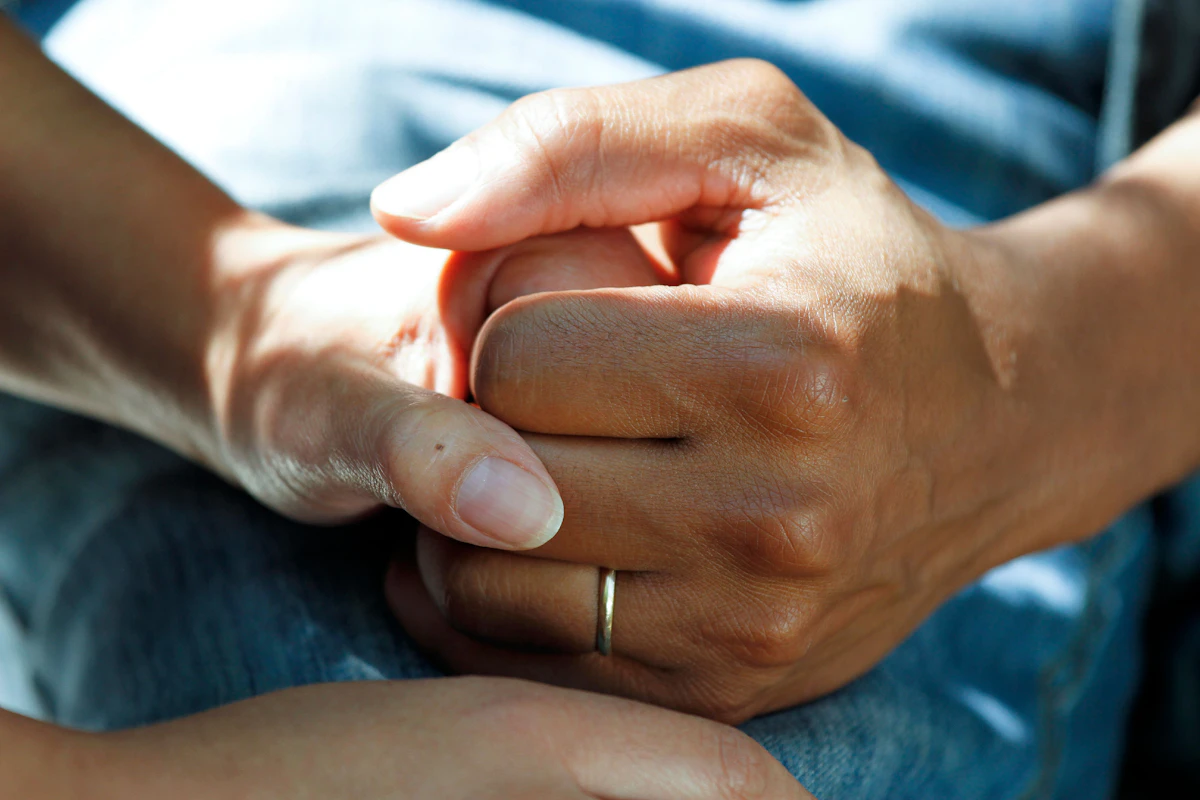
Advanced Osteoporosis Treatment at Kansal Orthopaedic Clinic
We at Kansal Orthopaedic Clinic, the leading Osteoporosis Treatment centres, deliver the best and latest methods for improving bone health, decreasing the chance of breakage, and increasing mobility over a long period. Osteoporosis is a widespread disease of bones that causes the bones to be extremely weak and susceptible to breaking even with very small falls or injuries. Usually this disease appears unnoticed for a long time and hardly ever manifests through symptoms except perhaps via a break.
We have the orthopedic doctor and they are directed at getting you diagnosed earlier, customizing the treatment to your case, giving you lifestyle tips, and also providing you with the assistance for the day-to-day rehabilitation, in order to improve your bone condition and your flexibility. No matter whether you have just started losing your bones or you have got severe osteoporosis, Kansal Orthopaedic Clinic is here with a range of orthopedic services that will keep you protected for a long time and will also help you handle the condition.
What is Osteoporosis?
Osteoporosis is a degenerative bone disease that is marked by a reduction in bone density as well as an increase in the degradation of bone tissue. As bones lose their strength and mass, it becomes much easier to suffer from fractures, the most common sites being the hip, the spine, the wrist, and the shoulder.
Typically, osteoporosis is a condition of the senior population, with women going through menopause being particularly affected; however, men and younger people may also develop it due to lack of certain nutrients, hormonal disturbance, or other health issues.
If you are suffering from weak bones or complications of broken bones, you can also look at our Fracture Management programmes that will provide you with thorough orthopedic help.
Types of Osteoporosis
Primary Osteoporosis
It is the most prevalent form, and it is mostly associated with aging and the hormonal changes that come with it.
Secondary Osteoporosis
It is a form that comes about as a consequence of some underlying disease or as a side effect of the long-term consumption of some medicines.
Postmenopausal Osteoporosis
Its hallmark is the diminishing of the female hormone estrogen after menopause.
Senile Osteoporosis
This is the usual loss of bone that occurs in elderly people.
Knowing the type of osteoporosis is crucial to osteoporosis doctors making the right choice of treatment plan for a patient.
Causes of Osteoporosis
There are many things that can increase your chances of getting osteoporosis.
Aging
Having less bones is something that happens to your body pretty much naturally when you get older.
Hormonal Changes
If your body starts producing less estrogen or testosterone, the bones may become weaker.
Calcium and Vitamin D Deficiency
Not eating well can lead to weaker bones and increase the chances of breaking one.
Sedentary Lifestyle
Not moving your body is a good way to make your bones and muscles weaker.
Family History
You inherit a lot of things from your family, and in this case, there is a risk of getting osteoporosis that comes genetically.
Smoking and Alcohol Consumption
Smoking and drinking are very much not good for bones and will make them less dense.
Medical Conditions and Medications
Some medical conditions like thyroid problems, arthritis, or using steroids for a long time can cause bone loss.
Those with joint problems or pain can also check our Joint Pain Treatment facilities for comprehensive orthopedic care.
Osteoporosis Symptoms
People usually do not experience any symptoms at the onset of osteoporosis. But with time, symptoms may go like:
- Breaking bones frequently
- Having backache
- Getting shorter in height gradually
- Curving of back
- Having weak and brittle bones
- Joint pain and stiffness
- Getting your mobility reduced
- Bone tenderness
Getting before-time orthopedic diagnosis is very important in marshalling the fight against the complications of osteoporosis and bone strengthening.
Osteoporosis Accurate Diagnosis
Our in-house causative diagnostic methods include sophisticated and state-of-the-art devices for assessing bone density and fracture risk.
Bone Density Test (DEXA Scan)
This DEXA scan is used to pinpoint the bone mineral density and also the diagnosis of osteoporosis is facilitated by it.
X-Ray Imaging
X-rays are the best way for doctors to have a glance of any fractures, spinal compressions, and bone weakening.
Blood Tests
Investigations of blood samples can unearth calcium deficiencies, hormonal imbalances, and other such factors which are contributing to bone loss.
Physical Examination
Our team of orthopedic experts examine the patients' postural changes, locomotion, flexibility, and overall condition of bones in addition to other things.
Fracture Risk Assessment
Based on a person's age, lifestyle, and bone density results, our team predicts the possibility of bone fractures in the future.
The patients in need of thorough orthopedic diagnoses may refer to our Diagnostic Services page and get the best options.
Personalized Osteoporosis Treatment Options
At Kansal Orthopaedic Clinic, we design bone loss treatment strategies considering the degree of bone loss and patient's general health.
Non-Surgical Osteoporosis Treatment
Medications
Bone-strengthening medications help slow down the rate of bone loss and improve bone density.
Calcium and Vitamin D Supplements
Providing diet supplements plays a significant role in a healthy bone formation and maintenance.
Physiotherapy
Exercise routines regularly done help in muscle strengthening, balancing, and normalizing movements. You can check out our Physical Therapy offerings here.
Lifestyle Modifications
Consuming nutritious food, regular physical activities, and no smoking or alcohol all contribute in enhancing bone condition.
Fall Prevention Programs
Balance practice and home safety advices are the two ways of preventing fall resulting in fractures and injuries.
Advanced Surgical Treatment for Osteoporosis-Related Fractures
Surgical intervention may be a requirement in very bad instances where fractures have taken place.
Fracture Stabilization Surgery
During surgical fixation, the bones that have been broken are stabilized which ultimately lead to improvement in recovery.
Joint Replacement Surgery
Damages caused in joints because of osteoporosis can be so severe that joint replacement surgery (partial or complete) might be the only solution. Check out our Joint Replacement facilities here.
Spine Procedures
Vertebral compression fractures might be a suitable indication for minimally invasive procedures targeted at the relief of pain and support.
Our orthopedic surgeons use the latest surgery methods, which are safe, accurate, and lead to a quicker rehabilitation.
Rehabilitation and Recovery Support
Rehabilitation and long-term care of bones are essential for effective osteoporosis treatment.
Strengthening Exercises
Performance of strengthening exercises aids in enhancing the capability of bones to keep and the muscles to support them.
Mobility Restoration
Rehabilitation involves helping the people to get their freedom of motion and ensuring fall prevention.
Posture Correction
The proper posture will help to reduce the pressure on the spine as well as increasing the level of stability and balance.
Long-Term Bone Health Guidance
Experts provide a wide range of support including diet counseling, preparation of exercise timetable, and giving lifestyle changing recommendations for healthy bone maintenance.
Why Kansal Orthopaedic Clinic is the Right Choice for Osteoporosis Treatment?
Kansal Orthopaedic Clinic dedicates itself to offering the latest in orthopedic treatments and the patients' needs are always at the center of the solutions.
- Orthopedic specialists with high-level expertise
- State-of-the-art diagnostic devices
- Individually tailored treatment regimens
- Strong rehabilitation services
- Latest, least traumatic surgical methods
- Emphasis on preventing fractures and enhancing bone health
Those who need full-spectrum orthopedic care are also welcome to check out our Arthritis Care and Sports Injury Treatment services.
How to Prevent Osteoporosis Tips
Taking care of your bones can greatly help avoid osteoporosis.
- Eating calcium-fortified foods
- Getting sufficient vitamin D exposure
- Doing physical activities regularly
- Refraining from smoking and drinking excessively
- Keeping in shape
- Undergoing bone density testing regularly
- Doing activities that reduce falling risk
It is very important to have healthy bones in order to have strength, be mobile and keep being independent.
Arrange a Treatment for Osteoporosis at Kansal Orthopaedic Clinic
If you have experienced weakening of the bones, breaking of the bones without a strong cause, or limited mobility, then you should come to Kansal Orthopaedic Clinic for expert Osteoporosis Treatment in yamuna Vihar, maujpur, babarpur, karawal nagar, silampur, brahmpuri, bhajanpura, pusta road, sonia vihar, jafrabad, durgapuri. Our highly qualified orthopedic doctors use the most up-to-date techniques to diagnose and treat you in a very personalized way, and support you with rehabilitation to improve the bone health and prevention of complications from happening in the future.
Make an appointment with us and get a reliable treatment of osteoporosis and protection of bones in the long run.
Frequently Asked Questions (FAQs)
What is osteoporosis?
Osteoporosis is a disease that literally makes the bones soft and susceptible to breaking.
Who is at risk of osteoporosis?
Elderly people, women who have gone through menopause, people with lack of nutrients, as well as those who barely move, are more likely to develop osteoporosis.
Can osteoporosis be treated without surgery?
Of course, in fact, surgery is carried out very rarely, and osteoporosis is mostly kept under control with drugs, eating the right foods, getting your body moving, and changing your way of living.
Which bones are commonly affected by osteoporosis?
Osteoporosis mostly affects the bones of the back, hips, wrists, and shoulders.
How can osteoporosis be prevented?
Eating well, doing physical activities regularly, taking enough calcium and vitamin D, and not smoking are the ways that can help you avoid osteoporosis.

Accurate Diagnosis
We use modern imaging and clinical assessment techniques to identify fractures accurately and create effective treatment plans.

Non-Surgical Treatment
Many fractures can heal successfully with casting, splinting, and guided recovery programs under expert supervision.
Surgical Fracture Care
Complex fractures may require surgical intervention using advanced orthopedic procedures for better alignment and healing.

Expert Orthopedic Support
Our experienced orthopedic specialists focus on providing safe and effective fracture treatment for patients of all ages. From minor fractures to complex trauma care, we aim to restore strength, mobility, and confidence through professional care.
We also provide rehabilitation guidance and follow-up support to help patients return to their normal daily activities as quickly as possible.